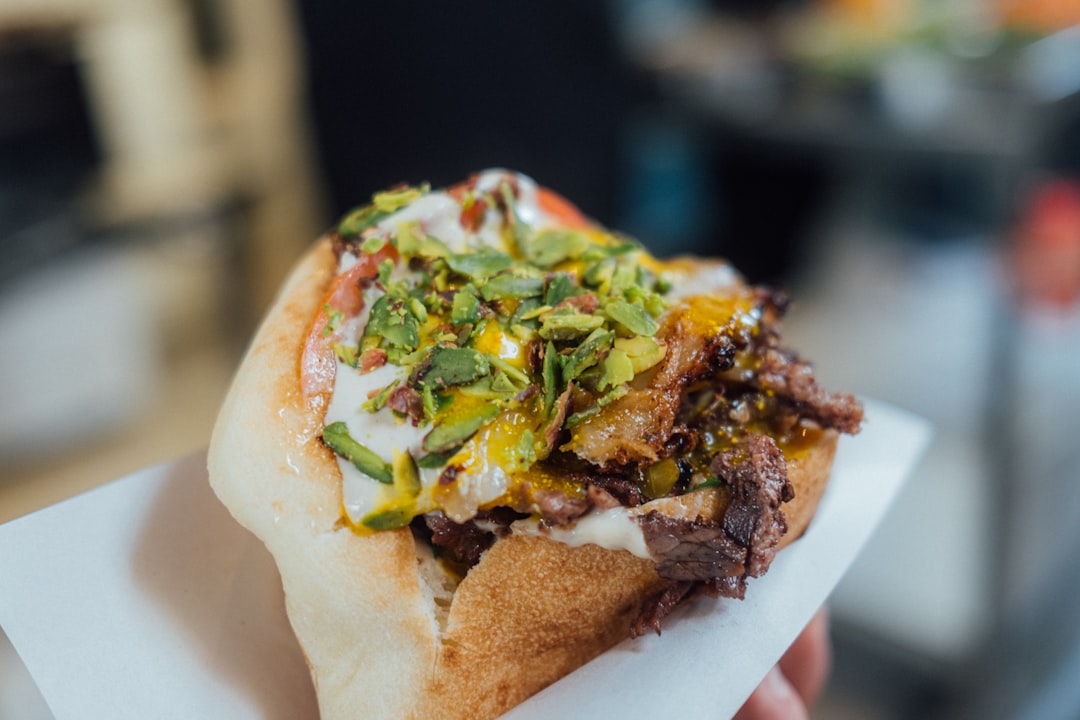
Lebanese cuisine has quietly but decisively redefined what people expect when they order takeout. It has moved the conversation away from “How cheap is this?” toward “How much does this give me?” and, more importantly, “How well does this meal serve my needs beyond the first bite?”
This article explores how Lebanese food culture has reshaped the idea of value in Ottawa takeout, why it resonates so strongly with east-end households, and how it has raised the bar for what diners now consider worth ordering.
The Old Takeout Value Model: Price First, Experience Second
For years, takeout value was judged almost exclusively on cost. A “good deal” meant:
- A low price
- A large portion of one item
- Fast preparation
- Minimal consideration for leftovers or balance
While this model worked for quick hunger relief, it often failed to deliver long-term satisfaction. Meals were filling but fleeting. Leftovers were inconsistent. Nutrition was secondary. And the experience ended once the food was gone.
As Ottawa households became busier, more health-aware, and more intentional with spending, this definition of value began to feel outdated.
Lebanese Food Introduced a Different Value Equation
Lebanese food culture approaches value holistically. In Lebanese households, food is expected to do more than satisfy hunger. It should:
- Feed everyone fully
- Stretch across multiple meals
- Offer variety
- Support sharing
- Feel generous and welcoming
- Respect ingredients and effort
When this philosophy entered Ottawa’s takeout scene, it changed expectations almost immediately.
Value was no longer about a single oversized item. It became about abundance, versatility, and longevity.
Portion Generosity as a Cultural Standard
One of the most noticeable ways Lebanese cuisine reshaped takeout value is through portion philosophy.
Lebanese meals are designed to be generous by default. This does not mean careless excess. It means intentional abundance—enough food to satisfy, share, and often save.
For families in Orleans and Cumberland, this generosity translates into:
- Multiple people eating from one order
- Leftovers that become next-day lunches
- Meals that can be repurposed easily
Value, in this sense, is measured in how long the food lasts, not just how much fits in one container.
Value Through Variety, Not Repetition
Traditional takeout often delivers one dominant item. Lebanese takeout, by contrast, typically includes multiple components working together.
A single order may involve:
- A protein
- A grain or starch
- Vegetables or salads
- Bread
- Sauces or dips
- Pickled or fresh accents
This variety increases perceived and actual value. Diners feel they are receiving a complete meal rather than a single item.
In Gloucester and Beacon Hill, households often note that Lebanese takeout feels closer to a home-cooked spread than a transactional purchase.
Leftovers That Retain Quality
One of the most practical measures of takeout value is how well food holds up after the first meal.
Lebanese cuisine excels here.
Many dishes:
- Reheat without losing texture
- Maintain flavor over time
- Can be eaten hot or cold
- Improve as ingredients settle
Rice, lentils, grilled proteins, vegetables, and dips all store well. This makes Lebanese takeout especially valuable for busy households along Innes Rd and Blair Rd, where meals often need to stretch across unpredictable schedules.
Leftovers are not an afterthought. They are part of the value proposition.
Built-In Meal Flexibility
Another way Lebanese food culture redefines value is through flexibility.
The same components can be eaten in different ways:
- A plate becomes a wrap
- A side becomes a snack
- A dip becomes a spread
- A grain becomes a base for a new meal
This adaptability means one takeout order can serve multiple purposes across a day or even several days.
Families in Blackburn Hamlet and Rockland often find that Lebanese takeout reduces the need for additional purchases, increasing overall value without increasing cost.
Balanced Meals Without Added Expense
In many cuisines, eating “balanced” requires ordering additional sides or upgrades. Lebanese takeout integrates balance by default.
Meals naturally include:
- Protein
- Fiber
- Vegetables
- Healthy fats
- Carbohydrates
This balance supports energy, satiety, and well-being without forcing diners to customize or spend more.
For households in Navan and Cumberland, this means fewer trade-offs between convenience and nutrition—another form of value that extends beyond price.
Sharing as a Value Multiplier
Lebanese food culture places strong emphasis on sharing. Takeout meals are often designed to be eaten communally rather than individually.
Shared food creates value by:
- Feeding more people per order
- Reducing waste
- Encouraging social connection
- Making meals feel abundant
In Ottawa’s family-oriented east end, this sharing model aligns perfectly with how people actually eat—together, informally, and flexibly.
Value becomes collective rather than individual.
Cost Per Meal, Not Cost Per Order
Lebanese takeout has helped Ottawa diners shift how they calculate value.
Instead of asking, “How much does this cost?” diners ask:
- How many meals will this provide?
- How many people can this feed?
- How many times can I use this food?
When measured this way, Lebanese takeout often delivers higher value even when the upfront price is not the lowest.
Families in Orleans and Gloucester increasingly prioritize this long-term value perspective.
Value Through Reduced Decision Fatigue
Busy households are not just managing budgets—they are managing mental load.
Lebanese takeout reduces decision fatigue because:
- Meals feel complete
- Variety is built in
- Everyone can find something they like
- There is less need to order multiple items from different places
This simplicity adds intangible but real value, especially for parents managing work, school, and activities.
Health as a Component of Value
Health has become a major factor in how Ottawa diners evaluate takeout.
Lebanese cuisine delivers health value by:
- Using olive oil instead of heavy fats
- Emphasizing vegetables and legumes
- Offering grilled over fried options
- Avoiding excessive processing
For many families, this means fewer compromises. They can enjoy takeout without feeling they are undermining long-term well-being.
In Beacon Hill and Rockland, this alignment between convenience and health significantly increases perceived value.
Cultural Generosity Shapes Expectations
Lebanese hospitality is built on generosity. That cultural value extends into takeout experiences.
Diners have come to expect:
- Full containers
- Thoughtful combinations
- No feeling of “cut corners”
- Food prepared with care
Once diners experience this standard, it influences how they judge all takeout moving forward.
Value is no longer just transactional—it is emotional and cultural.
Why This Shift Has Stuck
The redefinition of takeout value driven by Lebanese food culture has endured because it reflects real needs.
Ottawa households want:
- Meals that work across schedules
- Food that feeds more than one moment
- Takeout that supports family life
- Value that extends beyond the first bite
Lebanese cuisine delivers all of this consistently.
How This Has Changed Ottawa’s Takeout Expectations
As a result of this influence, Ottawa diners now expect:
- Generous portions
- Built-in balance
- Shareability
- Quality leftovers
- Thoughtful composition
- Fair pricing relative to longevity
These expectations have reshaped what “worth it” means.
Value as an Experience, Not a Transaction
Perhaps the most important change Lebanese food culture has brought is a shift in mindset.
Takeout is no longer just fuel. It is:
- A family meal
- A shared moment
- A practical solution
- A cultural experience
Value is measured in satisfaction, ease, and how well food supports daily life.
Why This Matters for the Future of Takeout in Ottawa
As food costs rise and households become more selective, value-driven dining will continue to evolve.
Lebanese food culture has set a standard that prioritizes:
- Substance over novelty
- Generosity over minimalism
- Flexibility over rigidity
- Longevity over immediacy
This standard is now deeply embedded in Ottawa’s takeout habits.
Conclusion
Lebanese food culture has redefined what “value” means in Ottawa takeout by shifting the focus from price alone to abundance, balance, flexibility, and real-world usefulness. For households across Orleans, Gloucester, Cumberland, Beacon Hill, Blackburn Hamlet, Rockland, and Navan, value is no longer about the cheapest option—it is about the smartest one.
Lebanese takeout delivers meals that last, adapt, and satisfy beyond the moment they are ordered. It supports busy lives, shared tables, and thoughtful eating.
In doing so, it has permanently changed how Ottawa diners measure worth—one generous, well-balanced meal at a time.