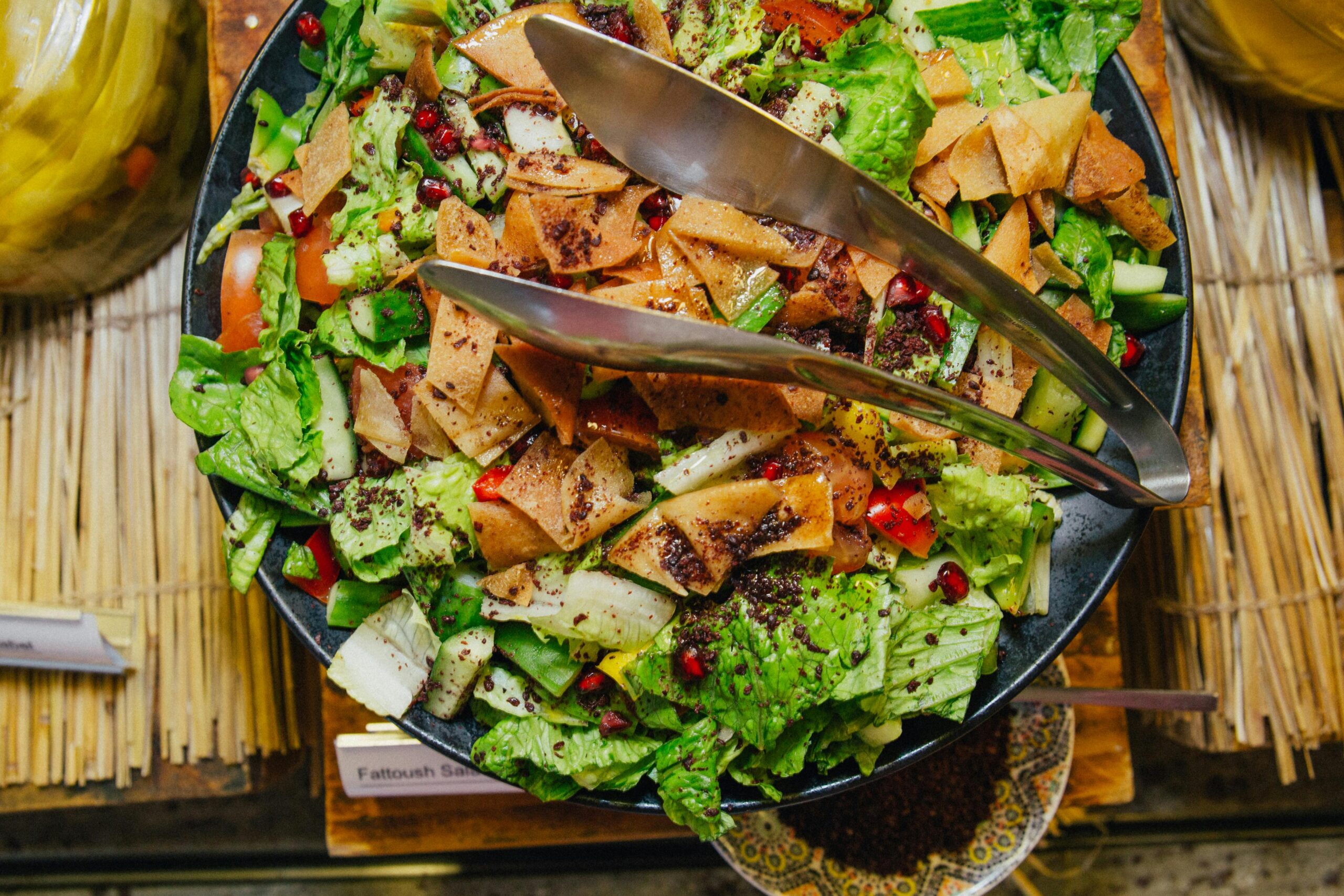
Lebanese food has quietly become a model for how comfort and health can coexist. It delivers warmth without heaviness, richness without excess, and nourishment without rigidity. Unlike many food traditions that lean strongly toward indulgence or restriction, Lebanese cuisine occupies a rare middle ground—one that aligns perfectly with the realities of modern family life.
This article explores why Lebanese cuisine strikes such a natural balance between comfort food and healthy eating, how it fits seamlessly into busy Ottawa households, and why its influence continues to grow across the east end.
The Modern Household Dilemma: Comfort vs. Health
For many families, comfort food and healthy food have traditionally felt like opposing choices. Comfort food is often associated with:
- Heaviness
- Rich sauces
- Fried textures
- Large portions
- Emotional satisfaction
Healthy food, on the other hand, is often perceived as:
- Restrictive
- Bland
- Time-consuming
- Unsatisfying
- Designed around rules
This false divide creates frustration for busy households. Parents want meals that their families actually enjoy, while also supporting long-term health and energy.
Lebanese cuisine challenges this divide entirely.
Why Lebanese Comfort Food Feels Different
Lebanese comfort food does not rely on excess to feel satisfying. Instead, it builds comfort through warmth, balance, and familiarity.
Comfort comes from:
- Soft rice and grains
- Gently spiced proteins
- Warm vegetables
- Garlic and onion aromas
- Citrus brightness
- Olive-oil richness
These elements create meals that feel grounding and fulfilling without overwhelming the body.
Families in Orleans and Cumberland often describe Lebanese meals as “comforting but light,” a combination that allows them to enjoy dinner without post-meal sluggishness.
Comfort Through Familiar Ingredients, Not Heavy Processing
One reason Lebanese food resonates so strongly with Ottawa households is that it relies on ingredients people already know and trust.
Staples include:
- Rice
- Lentils
- Chickpeas
- Potatoes
- Garlic
- Onion
- Lemon
- Olive oil
- Fresh herbs
- Seasonal vegetables
There are no artificial shortcuts or highly processed elements dominating the plate. Comfort comes from simplicity rather than manipulation.
In Gloucester and Beacon Hill, families appreciate meals that feel homemade even when prepared quickly or enjoyed as takeout.
How Lebanese Cuisine Supports Healthy Eating Naturally
Healthy eating is built into Lebanese cooking—not added as an afterthought.
Balanced Plates by Design
A typical Lebanese meal naturally includes:
- A protein source
- Vegetables or salads
- A grain or legume
- Healthy fats
- Acid for balance
This structure supports steady energy, satiety, and nutrient diversity without requiring careful tracking or planning.
Families in Blackburn Hamlet and Rockland benefit from meals that meet nutritional needs intuitively rather than through strict portioning.
Healthy Fats That Enhance, Not Overwhelm
One of the defining characteristics of Lebanese cuisine is its use of olive oil instead of heavier fats.
Olive oil:
- Adds richness without heaviness
- Enhances flavor rather than masking it
- Supports heart health
- Works well in both warm and cold dishes
This allows meals to feel comforting while remaining digestible—an important factor for busy households who need to stay energized after dinner.
Vegetables as a Core Element, Not a Side Dish
In Lebanese cooking, vegetables are not an obligation or garnish. They are central to the meal.
They appear as:
- Fresh salads
- Roasted or sautéed sides
- Lentil-based dishes
- Herb-forward preparations
- Mixed vegetable plates
This consistent inclusion of vegetables supports healthy eating without forcing change.
Families in Navan and Cumberland often find that children become more accepting of vegetables when they are presented as flavorful components rather than mandatory sides.
Why Lebanese Meals Feel Filling Without Feeling Heavy
Satiety is not only about portion size. Lebanese cuisine creates fullness through fiber, protein, and balance.
Meals rely on:
- Lentils and chickpeas for fiber
- Grilled proteins for sustained energy
- Rice and potatoes for warmth and comfort
- Olive oil for satisfaction
This combination prevents the quick hunger rebound common with lighter meals while avoiding the heaviness associated with fried or creamy foods.
Busy parents in Orleans often notice that Lebanese meals keep their families satisfied longer, reducing late-night snacking.
Time Efficiency Without Nutritional Sacrifice
One of the biggest barriers to healthy eating is time. Lebanese cuisine adapts well to time-pressed schedules.
Many dishes:
- Reheat well
- Improve in flavor over time
- Can be prepared in batches
- Share common ingredients
A pot of lentils, a tray of marinated protein, or a bowl of chopped vegetables can serve multiple meals across the week.
Families along Innes Rd and Blair Rd appreciate meals that reduce cooking frequency without sacrificing quality.
Comfort That Works Across Generations
Lebanese food appeals to all age groups, making it especially effective for family households.
Children enjoy:
- Rice
- Potatoes
- Mild spices
- Soft textures
- Simple wraps
Adults appreciate:
- Freshness
- Balance
- Flavor depth
- Digestibility
Seniors value:
- Tender proteins
- Light seasoning
- Familiar ingredients
This universality reduces the need to prepare multiple meals for one household.
The Emotional Comfort of Shared Meals
Comfort food is not just about taste—it is about emotion.
Lebanese cuisine emphasizes shared eating, which strengthens family connection. Meals are often served family-style, encouraging conversation and participation.
In Beacon Hill and Gloucester, families report that shared Lebanese-inspired meals feel calmer and more inclusive, even on busy weeknights.
Why Lebanese Cuisine Avoids “Diet Culture”
One of the most important reasons Lebanese cuisine works for busy households is that it does not frame food as something to control or fear.
There are no forbidden ingredients, extreme eliminations, or rigid rules. Instead, there is an emphasis on:
- Moderation
- Balance
- Enjoyment
- Listening to appetite
This mindset supports healthier relationships with food, especially for children growing up in these households.
Supporting Active Lifestyles Without Complexity
Many east-end households balance work with sports, fitness, and outdoor activities. Lebanese cuisine supports these lifestyles naturally.
Meals provide:
- Sustained energy
- Protein for recovery
- Carbohydrates for endurance
- Anti-inflammatory ingredients
Families in Rockland and Cumberland often rely on Lebanese meals after long days because they replenish without overwhelming.
Consistency Without Monotony
Another challenge for busy households is avoiding food boredom. Lebanese cuisine offers variety within a consistent framework.
The same core ingredients can be used in different ways:
- Lentils as soup or warm sides
- Chicken grilled, wrapped, or plated
- Vegetables fresh or roasted
- Herbs raw or gently wilted
This flexibility allows families to rotate meals without starting from scratch each time.
Why This Balance Resonates So Strongly in Ottawa
Ottawa households value practicality, moderation, and community. Lebanese cuisine reflects these values.
It offers:
- Comfort suited to cold winters
- Freshness that counters seasonal heaviness
- Efficiency for busy schedules
- Inclusivity for diverse households
In Orleans, Gloucester, Cumberland, Beacon Hill, Blackburn Hamlet, and Navan, these qualities align with how families want to live and eat.
The Growing Influence on Home Cooking and Takeout Choices
As families experience this balance through meals and gatherings, it influences broader habits.
Ottawa diners increasingly expect:
- Lighter comfort foods
- Balanced takeout options
- Meals that feel good physically and emotionally
- Food that supports long days
Lebanese cuisine has helped redefine what comfort food can be.
Why This Balance Is Sustainable Long Term
Trends come and go, but Lebanese cuisine endures because it is rooted in everyday life, not short-term goals.
Its balance of comfort and health:
- Supports consistency
- Encourages enjoyment
- Adapts to changing needs
- Ages well across generations
This sustainability is why its influence continues to grow rather than fade.
Conclusion
Lebanese cuisine perfectly balances comfort food and healthy eating because it was never designed to choose between them. It offers warmth without heaviness, nourishment without restriction, and satisfaction without excess.
For busy households across Ottawa’s east end, this balance has proven invaluable. From Orleans and Gloucester to Cumberland, Beacon Hill, Blackburn Hamlet, Rockland, and Navan, families are embracing meals that support both their schedules and their well-being.
Lebanese cuisine demonstrates that comfort and health do not need to compete. When food is built on balance, simplicity, and care, it naturally supports both—and fits seamlessly into the rhythm of modern family life.