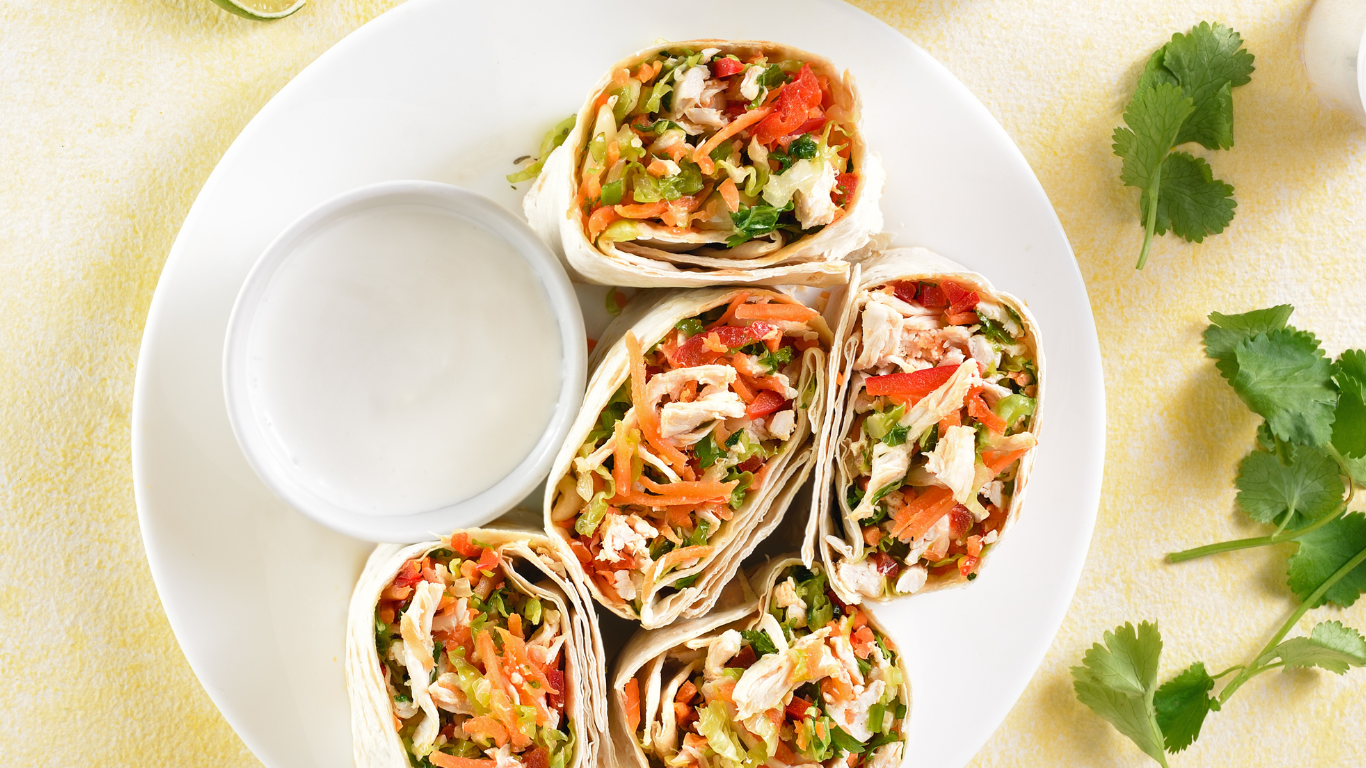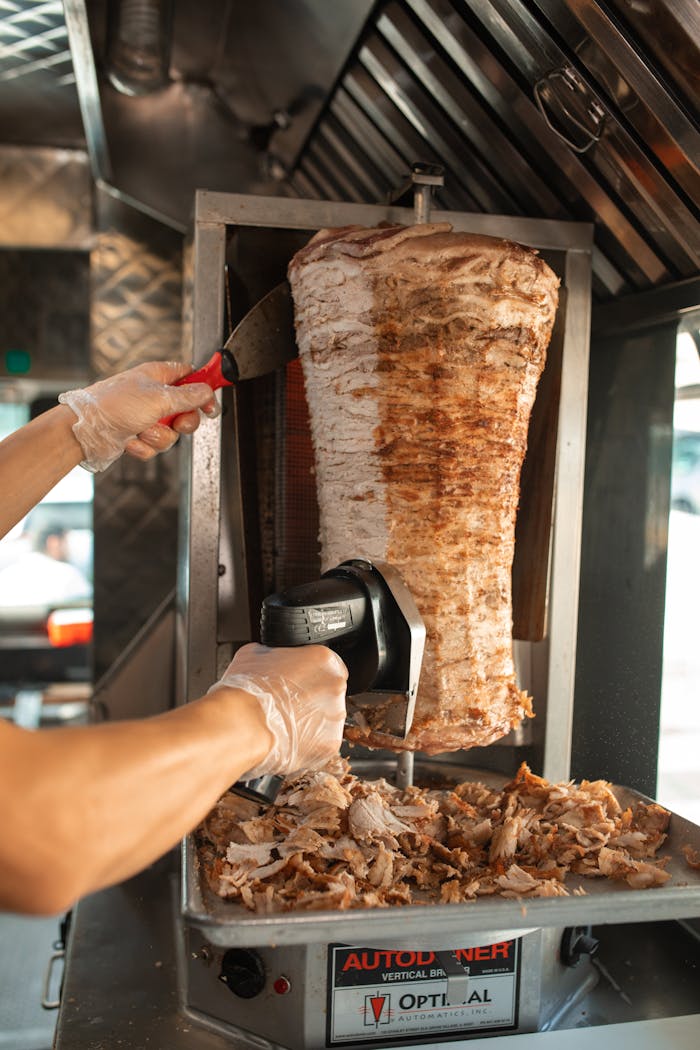
Traditional plated dinners, where everyone receives the same meal in the same format, are increasingly giving way to something more flexible, interactive, and family-friendly: build-your-own plates inspired by Lebanese dining traditions.
This shift is not accidental, nor is it driven by novelty. It reflects how modern families actually live, eat, and connect. Busy schedules, varied preferences, dietary needs, and generational differences all demand a more adaptable approach to meals. Lebanese dining traditions—built around shared dishes, variety, and personal choice—offer a structure that fits these realities perfectly.
This article explores why Ottawa families are gravitating toward build-your-own plates, how Lebanese dining traditions shaped this style of eating, and why it has become one of the most practical and enjoyable ways for families to share meals.
The Limits of Traditional Plated Meals for Modern Families
For decades, the standard family dinner followed a rigid format: one meal, one plate, one portion. While simple in theory, this approach often creates friction in practice.
Common challenges include:
- Children refusing parts of the meal
- Adults wanting different portion sizes
- Dietary preferences clashing
- Leftovers going uneaten
- Pressure on the cook to satisfy everyone
In family-centric communities like Orleans and Cumberland, these challenges are part of daily life. Parents often juggle multiple responsibilities while trying to maintain harmony at the table.
Build-your-own plates address these issues directly by shifting the focus from uniformity to choice.
Lebanese Dining Traditions: A Natural Blueprint for Flexibility
Lebanese meals have always been built around shared components rather than fixed plates. Instead of serving identical dishes to each person, food is placed at the center of the table.
Typical elements include:
- A protein or two
- Grains or starches
- Fresh vegetables or salads
- Dips or sauces
- Bread
Each person builds their own plate based on appetite, preference, and mood. This tradition prioritizes autonomy within togetherness, a balance that resonates strongly with Ottawa families.
Why Choice Reduces Mealtime Stress
One of the biggest reasons families prefer build-your-own plates is psychological: choice reduces conflict.
When individuals—especially children—feel they have control over what they eat, resistance decreases. Instead of negotiating bites or enforcing rules, parents can focus on conversation and connection.
In Gloucester and Beacon Hill, many families report that build-your-own meals:
- Reduce arguments
- Encourage curiosity
- Increase willingness to try new foods
- Shorten meal preparation stress
Lebanese-inspired plates create an environment where eating feels collaborative rather than enforced.
How Build-Your-Own Plates Support Different Appetites
Families rarely have uniform hunger levels. A teenager after sports practice, a parent after a long workday, and a younger child all need different portions.
Build-your-own plates allow:
- Larger portions for high-energy needs
- Smaller portions for lighter appetites
- Second servings without pressure
- Skipping items without judgment
This flexibility is especially valued in Blackburn Hamlet and Rockland, where households often include multiple generations or active children.
Balanced Eating Without Micromanagement
Lebanese dining traditions encourage balance naturally. Plates typically include:
- Protein
- Vegetables
- Carbohydrates
- Healthy fats
- Acidity for contrast
When families build their own plates from these components, balanced eating happens organically. There is no need to label foods or enforce rules.
Parents in Navan and Cumberland appreciate that children learn balance by experience rather than instruction—seeing how different foods work together on a plate.
Vegetables Become a Choice, Not a Requirement
One of the most significant benefits of build-your-own plates is how they change the relationship with vegetables.
Instead of being served as obligatory sides, vegetables are:
- Integrated into the meal
- Presented alongside appealing options
- Paired with sauces or grains
- Optional but accessible
In Lebanese-inspired meals, vegetables are often prepared in ways that enhance flavor and texture, making them more inviting.
Families across Orleans notice that children are more likely to include vegetables when they feel ownership over their plate.
Shared Meals Strengthen Family Connection
Despite the individual customization, build-your-own plates actually increase togetherness.
Because food is shared:
- Conversation flows more naturally
- Meals last longer without feeling rushed
- Family members engage with the table, not just their plate
- Everyone eats at their own pace
In Beacon Hill and Gloucester, families often find that this style of eating transforms dinner from a task into a shared experience.
Adaptability for Busy Schedules
Modern family life rarely allows for perfectly timed dinners. Some members arrive early, others late. Build-your-own meals accommodate this reality.
Food can be:
- Prepared in advance
- Kept warm or cold as needed
- Served in stages
- Reassembled easily
This adaptability is especially valuable for households along Innes Rd and Blair Rd, where work and school schedules vary daily.
Why Build-Your-Own Plates Reduce Food Waste
Food waste is a growing concern for Ottawa families. Traditional plated meals often result in uneaten portions.
Build-your-own plates reduce waste because:
- People take only what they want
- Leftovers remain intact and reusable
- Components can be repurposed
- Meals stretch further
Families in Rockland and Blackburn Hamlet often find that this approach saves both food and money.
Cultural Familiarity Across Diverse Households
Ottawa’s east end is culturally diverse. Build-your-own plates work across cultures because they mirror eating styles found in many traditions.
Lebanese dining, in particular, emphasizes:
- Sharing
- Hospitality
- Flexibility
- Respect for individual preference
This makes the format comfortable and inclusive for families of different backgrounds living in Orleans, Gloucester, and Cumberland.
Encouraging Food Curiosity Without Pressure
Children are naturally curious, but pressure often suppresses that curiosity. Build-your-own plates remove pressure and replace it with opportunity.
Children can:
- Try small amounts
- Combine foods creatively
- Return for seconds if they like something
- Observe others’ choices
Over time, this exposure builds familiarity and acceptance.
Parents across Beacon Hill report that build-your-own meals lead to broader food acceptance without conflict.
Supporting Health Without Restriction
Lebanese-inspired build-your-own plates support health in subtle, sustainable ways.
They emphasize:
- Whole ingredients
- Olive oil instead of heavy fats
- Grilled or roasted proteins
- Fresh herbs and vegetables
- Natural balance
Because nothing is forbidden, families maintain healthier relationships with food.
Why This Style Works for All Ages
Few dining formats work equally well for toddlers, teenagers, adults, and seniors. Build-your-own plates do.
- Toddlers choose simple items
- Teens build hearty plates
- Adults balance flavor and nutrition
- Seniors control portions easily
This universality makes the format especially appealing in multigenerational households across Cumberland and Navan.
The Emotional Comfort of Control
Food is deeply emotional. Build-your-own plates provide comfort by allowing control without isolation.
People feel:
- Respected
- Included
- Empowered
- Relaxed
This emotional comfort contributes to why families consistently return to this style of eating.
Why Build-Your-Own Plates Translate Well to Takeout and Home Dining
Lebanese-inspired build-your-own meals are just as effective at home as they are when dining out.
Takeout components can be:
- Plated family-style
- Reheated separately
- Combined differently each time
Families in Orleans and Gloucester often recreate the restaurant experience at home, reinforcing the habit.
A Sustainable Model for Long-Term Family Eating
Unlike trends that fade, build-your-own plates persist because they solve real problems.
They support:
- Busy schedules
- Varied preferences
- Budget awareness
- Health goals
- Family connection
Lebanese dining traditions offer a tested framework that adapts effortlessly to modern life.
Conclusion
Ottawa families prefer build-your-own plates inspired by Lebanese dining traditions because they align perfectly with how families actually live, eat, and connect. This approach reduces stress, increases flexibility, supports balanced eating, and strengthens family bonds—all without sacrificing comfort or flavor.
From Orleans and Gloucester to Cumberland, Beacon Hill, Blackburn Hamlet, Rockland, and Navan, this style of dining has become more than a preference. It is a practical, sustainable solution that respects individual choice while preserving the joy of shared meals.
Lebanese dining traditions remind families that the best meals are not about rigid plates, but about abundance, choice, and togetherness—and that is why this approach continues to shape how Ottawa eats at home.