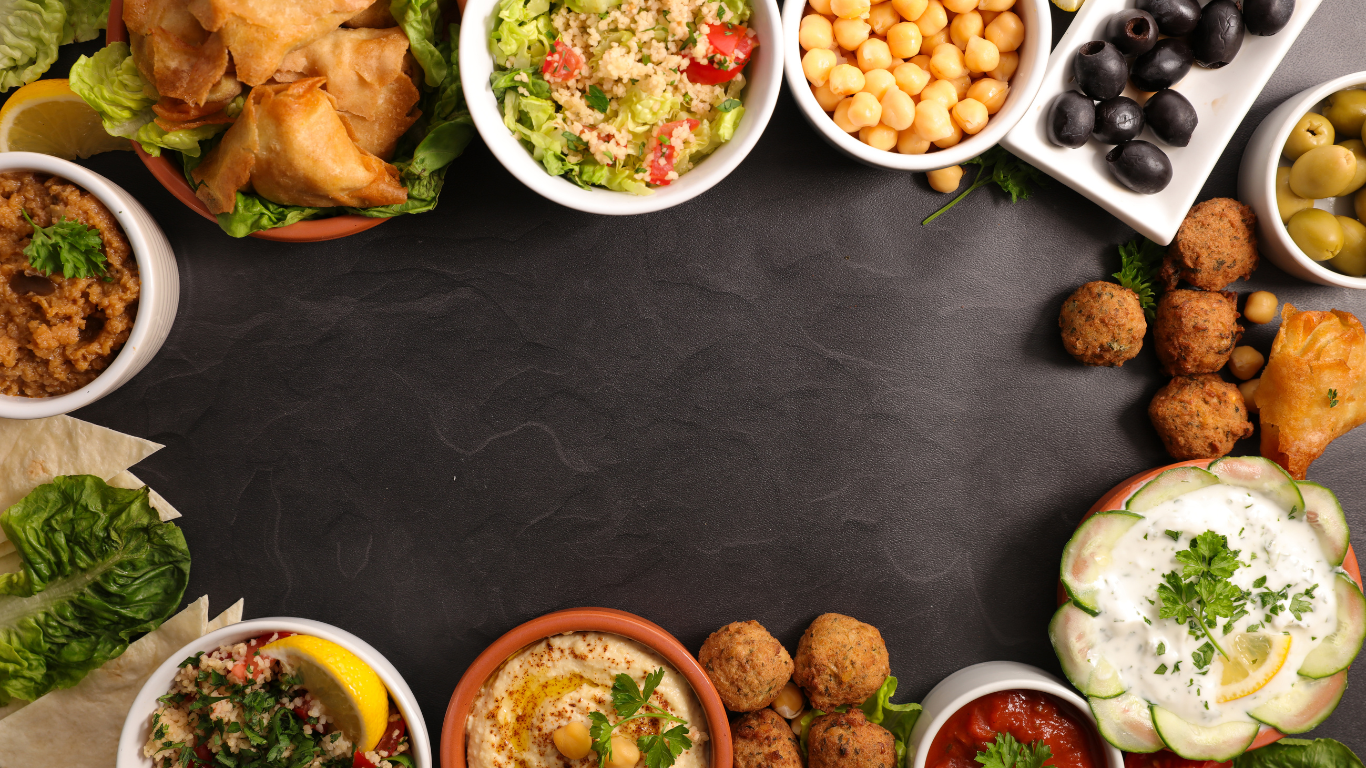
Across Orleans and Gloucester, family life often extends beyond the traditional nuclear household. Many homes include grandparents, parents, children, and sometimes extended relatives sharing meals, celebrating milestones, and navigating daily routines together. In these multigenerational settings, food plays a central role—not just as nourishment, but as a way to bring everyone together despite differences in age, appetite, health needs, and taste preferences.
As families in these communities search for meals that satisfy everyone at the table, one cuisine consistently stands out for its broad appeal and practical versatility: Lebanese cuisine.
Lebanese food has become a natural fit for multigenerational families because it balances comfort with freshness, tradition with flexibility, and flavor with approachability. It offers meals that feel familiar to older generations, exciting yet accessible to younger ones, and practical for busy parents managing complex household schedules.
This article explores why Lebanese cuisine resonates so strongly with multigenerational families in Orleans and Gloucester, how it meets the needs of different age groups simultaneously, and why it has become a preferred choice for shared family meals.
The Reality of Multigenerational Dining in Orleans and Gloucester
Multigenerational households face unique challenges when it comes to mealtime. A single dinner often needs to accommodate:
- Seniors with lighter appetites or dietary sensitivities
- Adults balancing health, taste, and time constraints
- Teenagers with high energy needs
- Younger children who prefer familiar textures and mild flavors
Preparing separate meals for each group is impractical and stressful. Families need food that adapts rather than demands compromise.
Lebanese cuisine offers a solution because it is inherently modular. Meals are built from shared components that can be combined differently by each person, allowing everyone to eat comfortably from the same table.
Familiar Ingredients That Bridge Generational Preferences
One of the strongest reasons Lebanese food works across generations is its reliance on familiar, recognizable ingredients.
Common elements include:
- Rice
- Lentils
- Chickpeas
- Potatoes
- Chicken
- Garlic
- Onion
- Lemon
- Olive oil
- Fresh herbs
These ingredients feel familiar to grandparents, reassuring to parents, and approachable for children. While the combinations may be new to some, the building blocks themselves are not intimidating.
In Orleans and Gloucester, where families often value traditional home-style meals, this familiarity makes Lebanese cuisine feel welcoming rather than experimental.
Comfort Without Heaviness for Older Generations
For seniors, comfort food is often associated with warmth, simplicity, and digestibility. Lebanese cuisine delivers comfort without relying on heavy sauces, excessive salt, or fried elements that can feel overwhelming.
Many Lebanese dishes emphasize:
- Slow-cooked or gently grilled proteins
- Soft grains and legumes
- Warm vegetables
- Olive oil instead of heavy fats
- Mild, aromatic spices
This approach makes meals satisfying without being taxing, which is especially important for older family members.
In Gloucester households where grandparents frequently join family dinners, Lebanese meals offer warmth and nourishment without discomfort.
Health-Conscious Balance for Adults
Adults in multigenerational families often carry the responsibility of meal planning. They want food that supports health without creating additional stress or requiring strict rules.
Lebanese cuisine naturally aligns with these priorities by offering:
- Balanced plates that include protein, vegetables, grains, and healthy fats
- Emphasis on fresh ingredients rather than processed ones
- Cooking methods that preserve flavor without excess
Parents in Orleans appreciate meals that feel wholesome and satisfying without needing nutritional calculations or special modifications for different family members.
Approachability for Children and Teens
Children and teenagers can be the most unpredictable eaters at the table. Lebanese cuisine works well for younger generations because it offers both familiarity and choice.
Children often gravitate toward:
- Rice
- Potatoes
- Mildly seasoned chicken
- Soft bread
- Simple wraps
Teenagers appreciate:
- Build-your-own plates
- Hearty portions
- Bold but not overwhelming flavors
- Flexibility to eat more when needed
This adaptability reduces mealtime conflict and encourages participation rather than resistance.
Families across Orleans often find that children are more willing to try new foods when they are part of a shared spread rather than a forced portion.
Shared Meals That Strengthen Family Connection
Lebanese dining traditions emphasize shared dishes placed at the center of the table. This style of eating encourages conversation, participation, and connection—qualities especially valuable in multigenerational households.
Instead of focusing on individual plates, family members:
- Reach for the same dishes
- Eat at their own pace
- Share reactions and preferences
- Remain engaged with one another
In Gloucester, where family gatherings are common, this shared format helps bridge generational gaps and keeps meals relaxed and inclusive.
Build-Your-Own Plates Reduce Mealtime Tension
One of the most effective features of Lebanese-inspired meals is the build-your-own structure.
Each person chooses:
- What to eat
- How much to eat
- How to combine flavors
This autonomy reduces tension around food choices and portion sizes, especially when different generations have different needs.
Grandparents can keep portions light, parents can build balanced plates, and children can choose familiar items—all from the same meal.
Flexibility for Changing Schedules
Multigenerational households often operate on staggered schedules. Some family members arrive early, others late.
Lebanese-style meals adapt easily because components can be:
- Kept warm or cold
- Reheated without losing quality
- Served in stages
- Stored and reused
Families along Innes Rd and within Gloucester’s residential areas value meals that accommodate real-life timing rather than requiring perfect coordination.
Meals That Encourage Learning and Tradition Sharing
Food is often a bridge between generations. Lebanese cuisine provides opportunities for older family members to share stories, values, and traditions around the table.
Even when families are not Lebanese by background, the culture of shared meals, generosity, and hospitality resonates deeply.
Grandparents enjoy the ritual of shared dishes. Parents appreciate the structure. Children absorb the experience naturally.
This intergenerational learning strengthens family bonds in subtle but lasting ways.
Portion Control Without Restriction
Another reason Lebanese cuisine works well across generations is how it handles portion control.
Rather than serving fixed plates, meals are shared. Each person takes what feels right.
This approach:
- Respects appetite differences
- Avoids pressure to finish plates
- Supports mindful eating
- Reduces food waste
In Orleans households with seniors and young children, this flexibility is especially valuable.
A Cuisine That Adapts to Dietary Sensitivities
Multigenerational families often include members with dietary considerations. Lebanese cuisine accommodates this naturally.
Meals often include:
- Plant-based options
- Grilled rather than fried proteins
- Dairy-free components
- Simple seasoning profiles
This makes it easier to serve one meal that suits everyone without extensive modification.
Why Lebanese Food Feels Both Traditional and Modern
Lebanese cuisine occupies a unique space. It feels rooted in tradition while aligning with modern values around health, balance, and flexibility.
This duality appeals across generations:
- Seniors appreciate the traditional, home-style nature
- Adults value the health-conscious structure
- Younger generations enjoy the variety and customization
In Orleans and Gloucester, where family structures are evolving but tradition remains important, this balance feels especially relevant.
Consistency Without Monotony
Lebanese meals rely on consistent ingredients but allow endless variation. This prevents boredom while maintaining familiarity.
The same components can appear in different forms:
- Rice one night, lentils the next
- Chicken served simply or as part of a shared plate
- Vegetables roasted, fresh, or mixed
This consistency-with-variation supports long-term family routines without fatigue.
The Emotional Comfort of Hospitality
Lebanese food culture is deeply tied to hospitality. Meals are meant to welcome, nourish, and bring people together.
This sense of care resonates with multigenerational families who value togetherness and generosity.
In Gloucester and Orleans, families often describe Lebanese meals as feeling “thoughtful” and “warm,” even on ordinary weeknights.
Why This Appeal Continues to Grow
The appeal of Lebanese cuisine among multigenerational families is not a passing trend. It solves real challenges:
- Feeding diverse age groups
- Reducing mealtime stress
- Supporting health without rigidity
- Encouraging connection
As family structures continue to evolve, these benefits become even more valuable.
Conclusion
Lebanese cuisine appeals to multigenerational families across Orleans and Gloucester because it meets everyone where they are. It offers comfort without heaviness, health without restriction, and flexibility without chaos.
By emphasizing shared meals, familiar ingredients, balanced flavors, and personal choice, Lebanese dining traditions create an environment where grandparents, parents, and children can all feel satisfied at the same table.
In communities built around family and connection, this approach to food feels not just practical, but deeply meaningful—and that is why Lebanese cuisine continues to shape how multigenerational households in Ottawa eat together.