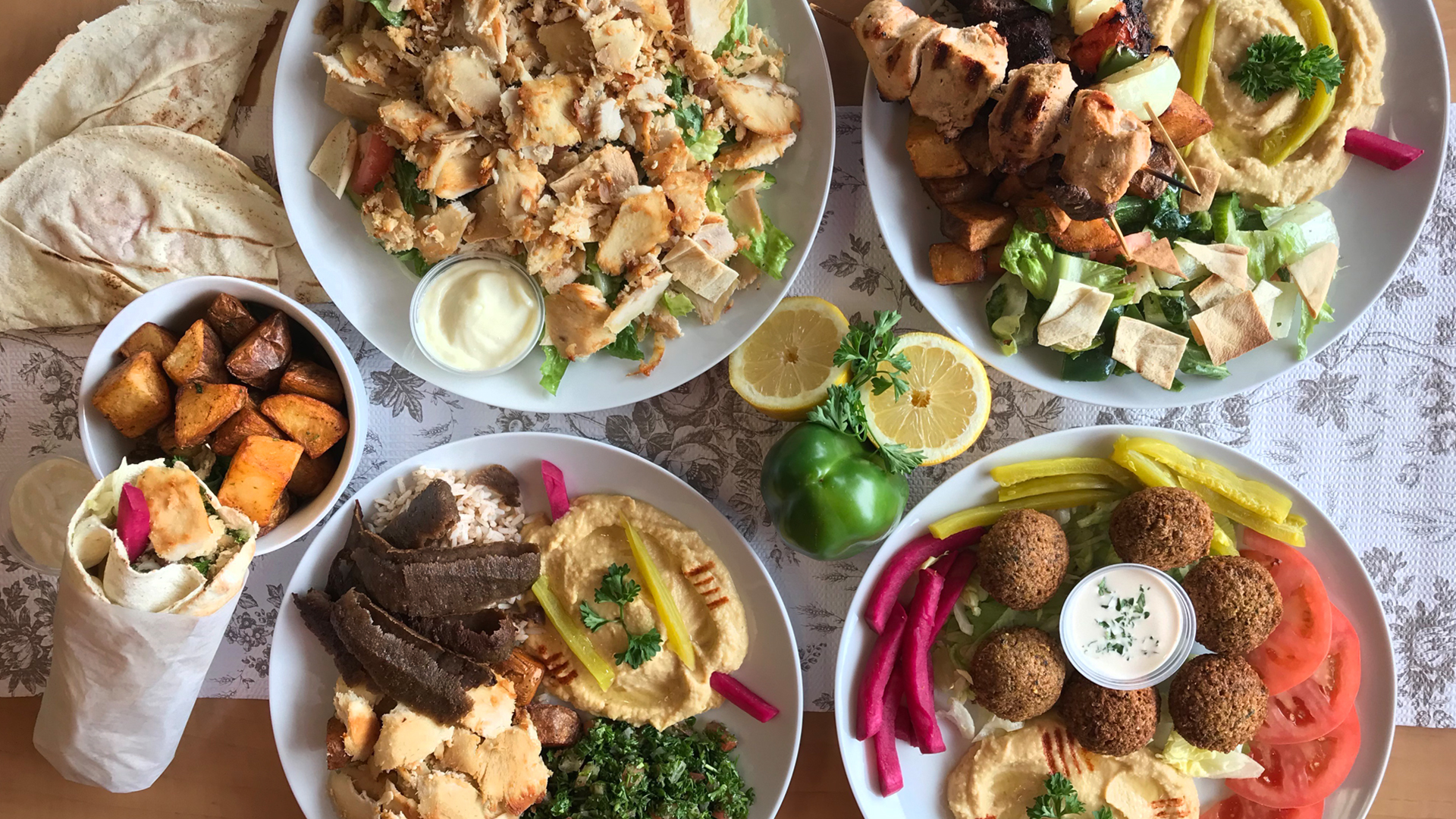
Lebanese food offers a different perspective. Instead of framing balance as limitation, Lebanese cuisine treats balance as harmony—between ingredients, textures, flavors, and portions. It delivers meals that are deeply satisfying, comforting, and full of character, while naturally supporting nutritional balance. This is why Lebanese food has become such a trusted choice for households seeking meals that feel good to eat and good to live with.
This article explores how Lebanese food supports balanced eating without sacrificing flavor or satisfaction, why this approach resonates so strongly with Ottawa families, and how it has quietly reshaped everyday eating habits across the city.
Rethinking What “Balanced Eating” Actually Means
For many households, balanced eating once meant strict rules: cutting out favorite foods, tracking portions closely, or separating “healthy” meals from “comfort” meals. Over time, this approach led to frustration, inconsistency, and food fatigue.
Lebanese cuisine challenges this mindset by showing that balance does not require extremes. Instead, it relies on:
- Thoughtful ingredient combinations
- Natural portion flexibility
- Variety across the table
- Flavor built from real foods
Balance becomes something that happens organically, not something that needs constant monitoring.
In Orleans and Cumberland, families are increasingly drawn to meals that feel complete without feeling controlled, and Lebanese food fits that need naturally.
Flavor Built on Real Ingredients, Not Excess
One of the most important ways Lebanese food supports balance is through how flavor is created.
Rather than relying on heavy sauces, sugar, or excessive salt, Lebanese cooking builds depth using:
- Garlic
- Lemon
- Olive oil
- Fresh herbs
- Warm spices
These ingredients add richness, brightness, and complexity without overwhelming the body or palate. Meals feel flavorful because of layering and balance, not because of heaviness.
Families in Gloucester and Beacon Hill often describe Lebanese meals as “satisfying without being too much,” a quality that makes balanced eating feel natural rather than forced.
Built-In Balance on the Plate
A typical Lebanese meal naturally includes multiple food groups, often without intentional planning.
Common components include:
- A protein source
- Vegetables, both fresh and cooked
- Grains or legumes
- Healthy fats
- Acidity for contrast
This structure supports steady energy and satiety. Instead of relying on one dominant item, the meal spreads satisfaction across multiple elements.
In Blackburn Hamlet and Rockland, households appreciate that Lebanese meals feel filling without leaving anyone overly full or sluggish.
Vegetables as a Foundation, Not an Obligation
In many eating patterns, vegetables are treated as something that must be added intentionally. In Lebanese cuisine, vegetables are simply part of the meal.
They appear as:
- Fresh salads with herbs and citrus
- Roasted or sautéed sides
- Mixed into grains and legumes
- Integrated into shared plates
Because vegetables are prepared with flavor and care, they feel desirable rather than obligatory. This makes balanced eating easier, especially for children and teens.
Families across Navan and Cumberland often notice that vegetables are eaten more consistently when they are naturally woven into meals rather than presented as separate “healthy sides.”
Healthy Fats That Increase Satisfaction
Lebanese food relies heavily on olive oil, which plays a key role in satisfaction and balance.
Olive oil:
- Enhances flavor
- Creates a pleasant mouthfeel
- Helps meals feel complete
- Supports fullness
Because meals include healthy fats, diners feel satisfied without needing excessive portions. This prevents the cycle of overeating followed by restriction.
In Orleans and Beacon Hill, many households find that meals prepared with olive oil keep them satisfied longer, reducing the urge for late-night snacking.
Portion Flexibility Without Pressure
Lebanese dining traditions emphasize shared meals rather than fixed plates. This naturally supports balanced eating.
Instead of being served a predetermined portion, diners:
- Choose how much to eat
- Return for seconds if needed
- Stop when satisfied
- Adjust based on appetite
This flexibility respects individual needs without enforcing rules. Balanced eating becomes intuitive rather than prescriptive.
Multigenerational households in Gloucester often find this approach especially helpful, as it accommodates different appetites and nutritional needs at the same table.
Protein That Supports Energy Without Heaviness
Lebanese meals include protein in ways that support balance rather than dominance.
Proteins are often:
- Grilled rather than fried
- Seasoned rather than coated
- Served alongside vegetables and grains
- Integrated into shared dishes
This approach supports muscle recovery, energy, and fullness without making the meal feel heavy.
Busy households along Innes Rd and Blair Rd appreciate meals that sustain energy through the evening without slowing them down.
Legumes as a Quiet Powerhouse
Lentils and chickpeas play a central role in Lebanese cuisine. These ingredients contribute to balanced eating by providing:
- Plant-based protein
- Fiber for digestion
- Long-lasting fullness
- Versatility across meals
Because legumes are flavorful and filling, they support satisfaction without excess calories.
Families in Cumberland and Rockland often rely on legume-based dishes to add substance to meals while maintaining balance.
Balanced Eating Without Diet Culture
One of the most compelling aspects of Lebanese food is that it supports balance without invoking diet culture.
There is no labeling of foods as “good” or “bad.”
There is no rigid structure or restriction.
There is no separation between enjoyment and nourishment.
Instead, Lebanese cuisine encourages:
- Moderation
- Variety
- Enjoyment
- Listening to appetite
This mindset fosters healthier long-term relationships with food, especially for children growing up in these households.
Satisfaction Through Variety, Not Quantity
Lebanese meals often include several dishes rather than one large plate. This variety increases satisfaction even when portions are moderate.
Different textures, flavors, and temperatures keep the meal engaging. Diners feel satisfied because they experience richness, freshness, and warmth all in one sitting.
In Beacon Hill and Navan, families often find that smaller portions of multiple items feel more satisfying than one large, uniform dish.
Meals That Support Busy Lives
Balanced eating must work within real schedules. Lebanese food supports this by being:
- Easy to reheat
- Suitable for leftovers
- Adaptable across meals
- Consistent in quality
Meals can stretch across days without losing flavor or balance.
Households in Orleans appreciate food that supports both dinner and next-day lunches without compromise.
Why Balanced Eating Feels Sustainable With Lebanese Food
Many eating approaches fail because they are not sustainable. Lebanese cuisine succeeds because it is designed for everyday life.
It supports balance by:
- Avoiding extremes
- Celebrating flavor
- Encouraging shared meals
- Adapting to different needs
This makes balanced eating feel achievable rather than aspirational.
Emotional Satisfaction Matters Too
Balanced eating is not only physical—it is emotional. Lebanese food delivers emotional satisfaction through:
- Warm flavors
- Familiar ingredients
- Shared experiences
- A sense of care and hospitality
When meals feel emotionally fulfilling, there is less urge to overeat or seek satisfaction elsewhere.
Families across Gloucester and Blackburn Hamlet often associate Lebanese meals with comfort and connection, reinforcing healthy habits naturally.
Why Ottawa Families Keep Returning to This Style of Eating
Ottawa households are busy, diverse, and practical. Lebanese food fits this reality.
It allows families to:
- Eat well without stress
- Enjoy food without guilt
- Feed everyone at the table
- Maintain balance without effort
As a result, Lebanese food has become a reliable foundation for everyday eating rather than an occasional choice.
Conclusion
Lebanese food supports balanced eating without sacrificing flavor or satisfaction because balance is built into its very foundation. Through thoughtful ingredient combinations, shared meals, portion flexibility, and an emphasis on real food, Lebanese cuisine shows that nourishment and enjoyment do not have to compete.
Across Orleans, Gloucester, Cumberland, Beacon Hill, Blackburn Hamlet, Rockland, and Navan, families are embracing meals that feel good in every sense—physically, emotionally, and socially.
By offering harmony instead of restriction, Lebanese food has reshaped how Ottawa understands balanced eating, proving that it is possible to eat well, feel satisfied, and truly enjoy every meal.