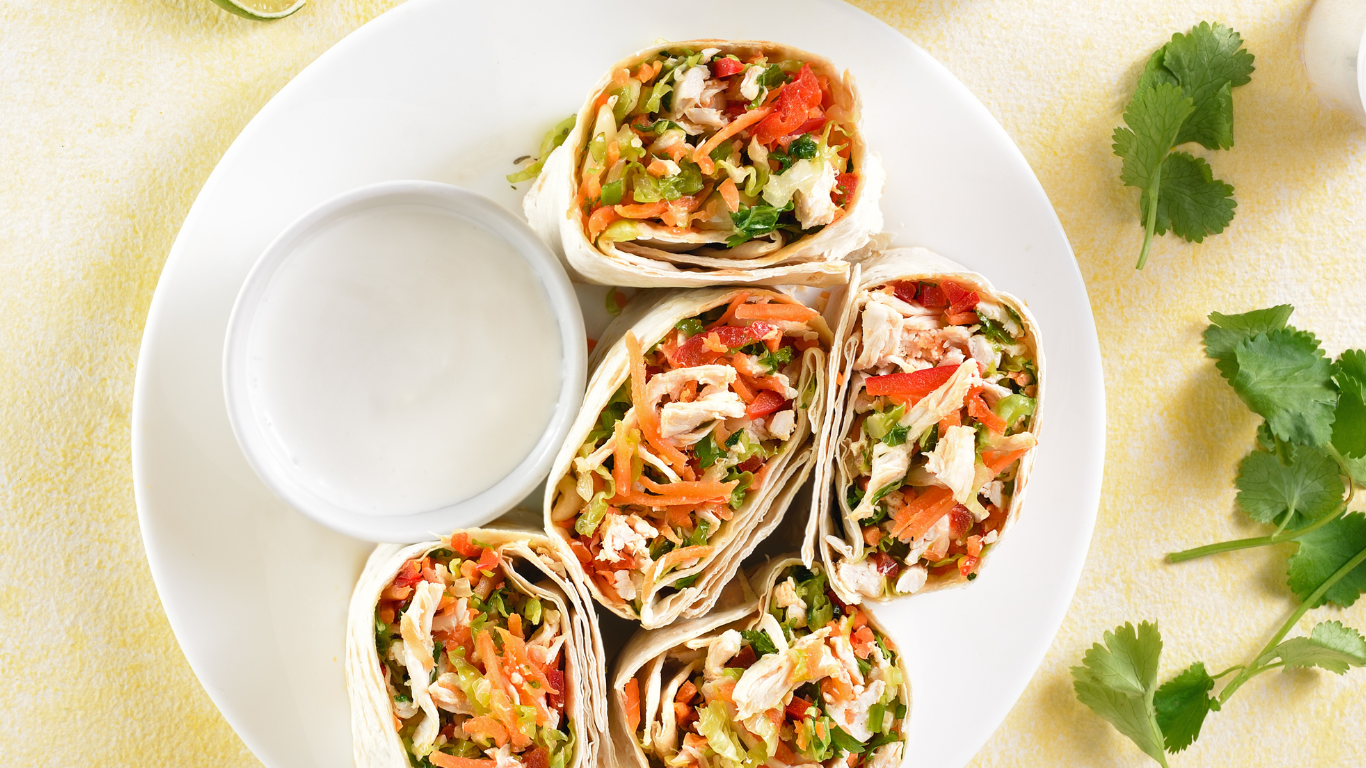
Middle Eastern flavors make plant-based meals feel exciting and deeply satisfying. Ingredients like chickpeas, lentils, garlic, parsley, mint, lemon, tahini, tomatoes, and olive oil are already essential elements of plant-based eating. But what truly sets this cuisine apart is the way these ingredients are combined—with bright herbs, warm spices, fresh citrus, and layered textures that bring vegetables and legumes to life.
This in-depth exploration dives into why Middle Eastern flavors have become essential for plant-based eating in Orleans and Beacon Hill, what makes the cuisine uniquely suited for families, and how it is redefining the way households incorporate vegetables, legumes, and grains into their weekly meals.
A Cultural Fit for a Community Embracing Healthy, Plant-Forward Eating
Orleans and Beacon Hill are two communities with diverse populations, family-centric lifestyles, active residents, and growing interest in clean nutrition. Families want plant-based meals that fit into their daily lives without feeling bland or repetitive.
Middle Eastern cuisine aligns naturally with this demand.
1. Flavors Built on Fresh Herbs and Citrus, Not Heavy Saucing
Many plant-based dishes can become repetitive if they depend on:
- Creamy dressings
- Processed vegan cheeses
- Heavy sauces
- Overuse of salt
Middle Eastern cuisine uses none of this. Instead, it relies on freshness:
- Parsley
- Mint
- Lemon
- Garlic
- Tomatoes
- Onions
- Olive oil
These ingredients add vibrancy and depth to plant-based meals without adding heaviness.
2. Legumes and Vegetables Are Cultural Staples, Not Substitutes
In Middle Eastern cooking, plant-based ingredients aren’t treated as replacements for meat—they are the center of the plate. Families in Orleans and Beacon Hill appreciate this approach because it makes plant-based eating feel natural.
Iconic dishes include:
- Hummus (chickpeas + tahini + lemon)
- Mujadara (lentils + rice + caramelized onions)
- Fattoush (fresh veg + herbs + sumac)
- Tabbouleh (parsley + mint + bulgur + lemon)
- Falafel (chickpea balls flavored with herbs)
- Baba ghanoush (roasted eggplant dip)
Each one is satisfying, protein-rich where needed, and built entirely on plants.
3. Middle Eastern Flavors Fit the Family Routine
Families want:
- Quick meals
- Healthy lunchboxes
- Fresh snacks
- Weeknight dinners
- Weekend spreads
- Something kids actually enjoy
Middle Eastern meals are flexible—easy to pack, easy to prepare, and easy to share.
Why Middle Eastern Cuisine Makes Plant-Based Eating More Enjoyable
Middle Eastern cooking enhances plant-based meals on multiple sensory levels—flavor, aroma, texture, and presentation.
1. The Power of Warm Spices
Middle Eastern spices are warm, aromatic, and flavorful without needing heat. This is especially valuable for families with kids or multi-generational households.
Common spices that elevate plant-based meals include:
- Cumin
- Coriander
- Paprika
- Turmeric
- Cinnamon (subtle warmth)
- Sumac
- Black pepper
These spices highlight the natural taste of vegetables and legumes, making plant-based meals feel rich and exciting.
2. Fresh Herbs as Essential Ingredients
Parsley, mint, dill, and green onions aren’t garnishes—they’re core components.
In dishes like tabbouleh or fattoush, herbs become the “greens” of the dish, transforming a simple vegetable mix into a deeply aromatic meal.
Families in Beacon Hill and Orleans appreciate that kids often enjoy these herb-forward dishes because they’re bright, refreshing, and not overly intense.
3. Citrus Brings Balance and Brightness
Lemon is used generously in Lebanese cooking to:
- Cut through richness
- Brighten flavors
- Add freshness
- Balance garlic and olive oil
- Improve digestibility
This citrus-based approach makes plant-based meals feel light yet satisfying.
Middle Eastern Plant-Based Dishes That Ottawa Families Love
A major reason Middle Eastern cuisine has become essential to plant-based eating is its MANY naturally vegan dishes.
1. Hummus: The Ultimate Plant-Based Protein Dip
Made from chickpeas, tahini, olive oil, garlic, and lemon, hummus offers:
- Plant protein
- Healthy fats
- Fiber
- Iron
- Creaminess for dips, wraps, and bowls
Kids love it, adults appreciate its nutrition, and families use it for everything from snacks to meal prep.
2. Fattoush: A Fresh, Tangy, Crisp Salad
Fattoush is built from:
- Lettuce
- Tomatoes
- Cucumbers
- Radishes
- Herbs
- Sumac-lemon dressing
- Pita chips
This salad’s crunch and acidity make it perfect for family dinners.
3. Tabbouleh: A Parsley-Forward Superfood Salad
Tabbouleh is nutrient-dense and refreshing. Its base is parsley, which is high in:
- Vitamins A, C, K
- Fiber
- Antioxidants
With tomatoes, mint, lemon, and bulgur, it becomes a complete plant-based meal.
4. Mujadara: Comfort Food Without Meat
Mujadara combines:
- Lentils
- Rice
- Caramelized onions
It’s warm, filling, protein-packed, and perfect for cooler months in Ottawa.
5. Baba Ghanoush: Smoky, Creamy, and Addictive
This roasted eggplant dip adds:
- Fiber
- Healthy fats
- Antioxidants
- A smoky, creamy element
Perfect for mezze spreads or sandwiches.
6. Falafel: A Plant-Based Protein Favorite
Falafel offers:
- Chickpea protein
- Crunchy texture
- Herb flavor
- Easy wrapping and packing
Kids in Orleans love falafel because it feels like a finger food yet is full of nutrition.
Why Families in Orleans and Beacon Hill Prefer These Flavors for Weekly Eating
Middle Eastern plant-based meals work exceptionally well for daily routines in these communities.
1. They Reheat and Pack Well
Families need meals that travel easily to:
- School lunches
- After-school programs
- Office lunches along Blair Rd and St-Laurent
- Weekend sports in Kanata or Orleans
Middle Eastern plant-based items like rice dishes, lentils, hummus, and roasted vegetables stay flavorful and fresh throughout the day.
2. They Fit the Health Goals of Active Families
Ottawa families prioritize:
- Lower saturated fat
- High fiber
- Nutrient density
- Plant-forward protein
- Fresh vegetables
Lebanese cuisine meets these expectations effortlessly.
3. They Appeal to Picky Eaters
Kids often enjoy:
- Rice
- Potatoes
- Pita
- Mild chickpea dishes
- Fresh vegetables
- Mild seasonings
This makes plant-based eating easier for whole families.
The Cultural Appeal: Plant-Based Eating With a Story Behind It
Another reason Middle Eastern cuisine enhances plant-based eating is its deep cultural roots.
1. Plant-Based Dishes Are Traditional, Not Trend-Based
Families across Beacon Hill and Orleans appreciate authenticity. Middle Eastern dishes have been plant-forward for centuries—not created for modern dieting.
2. The Mezze Approach Fits Social and Family Eating
Mezze (a table full of small dishes) encourages:
- Sharing
- Trying new flavors
- Mixing textures
- Customizing plates
This style is ideal for families with children who enjoy variety.
3. Middle Eastern Food Connects Ottawa’s Diverse Communities
Orleans and Beacon Hill are home to multicultural households. Lebanese plant-based dishes resonate across cultures because they use universally loved ingredients.
How Middle Eastern Plant-Based Meals Support Budget-Friendly Eating
Families love plant-based meals partly because they can be cost-effective.
1. Legumes Are Affordable and Nutritious
Chickpeas, lentils, and beans stretch across multiple meals.
2. Vegetables and Herbs Are Used Efficiently
Many Middle Eastern recipes maximize:
- Parsley
- Mint
- Tomatoes
- Cucumbers
- Onions
These ingredients are cost-effective and widely available in Ottawa.
3. Larger Portions Support Family Meal Planning
Dishes like mujadara, lentil soups, and salads can feed multiple people while remaining inexpensive.
Conclusion
Middle Eastern flavors have transformed plant-based eating for families across Orleans and Beacon Hill, offering a combination of freshness, cultural richness, affordability, and deep satisfaction that few cuisines can match. With their reliance on herbs, citrus, legumes, vegetables, olive oil, and warm spices, these dishes elevate plant-based meals from simple routines into vibrant, flavorful experiences.
As Ottawa families continue gravitating toward healthier and more meaningful ways of eating, Middle Eastern plant-based cuisine will remain a powerful force—bringing comfort, nourishment, and irresistible flavor to the dinner table night after night.