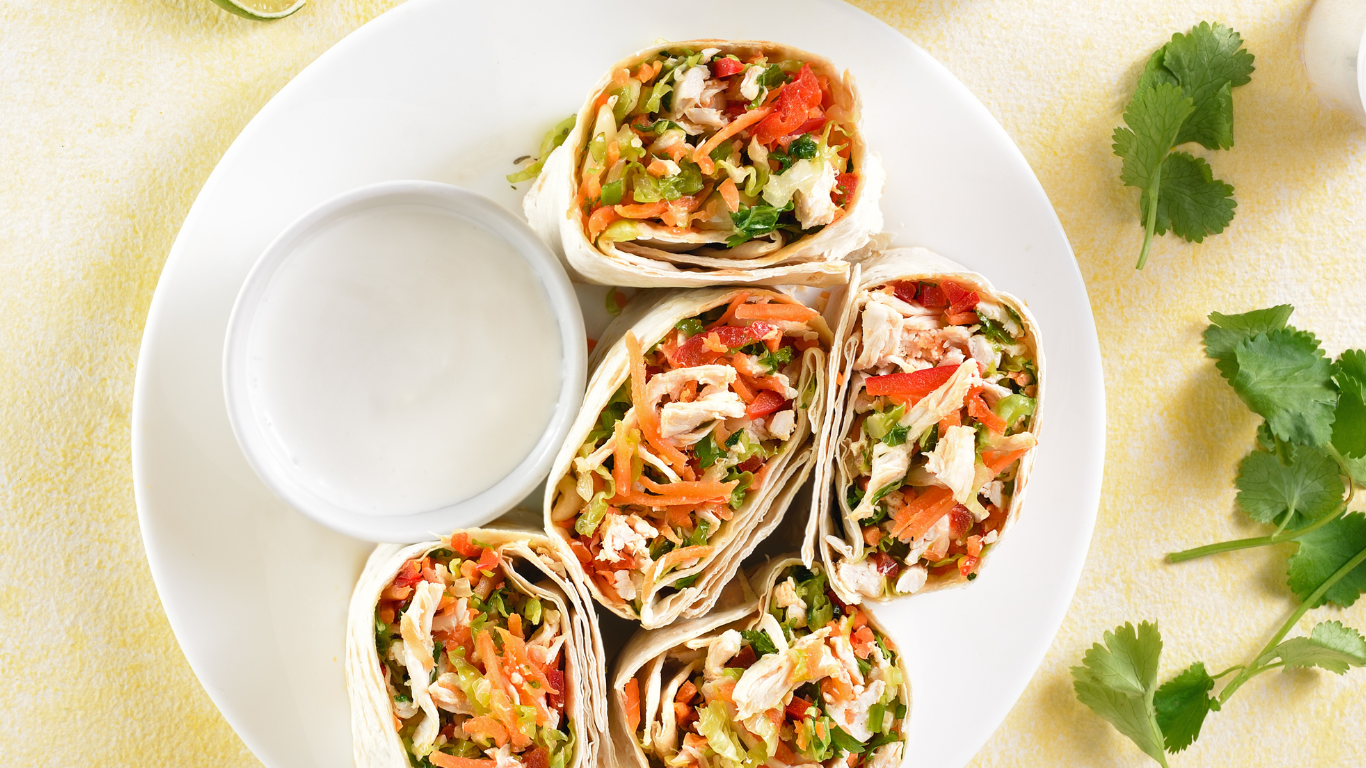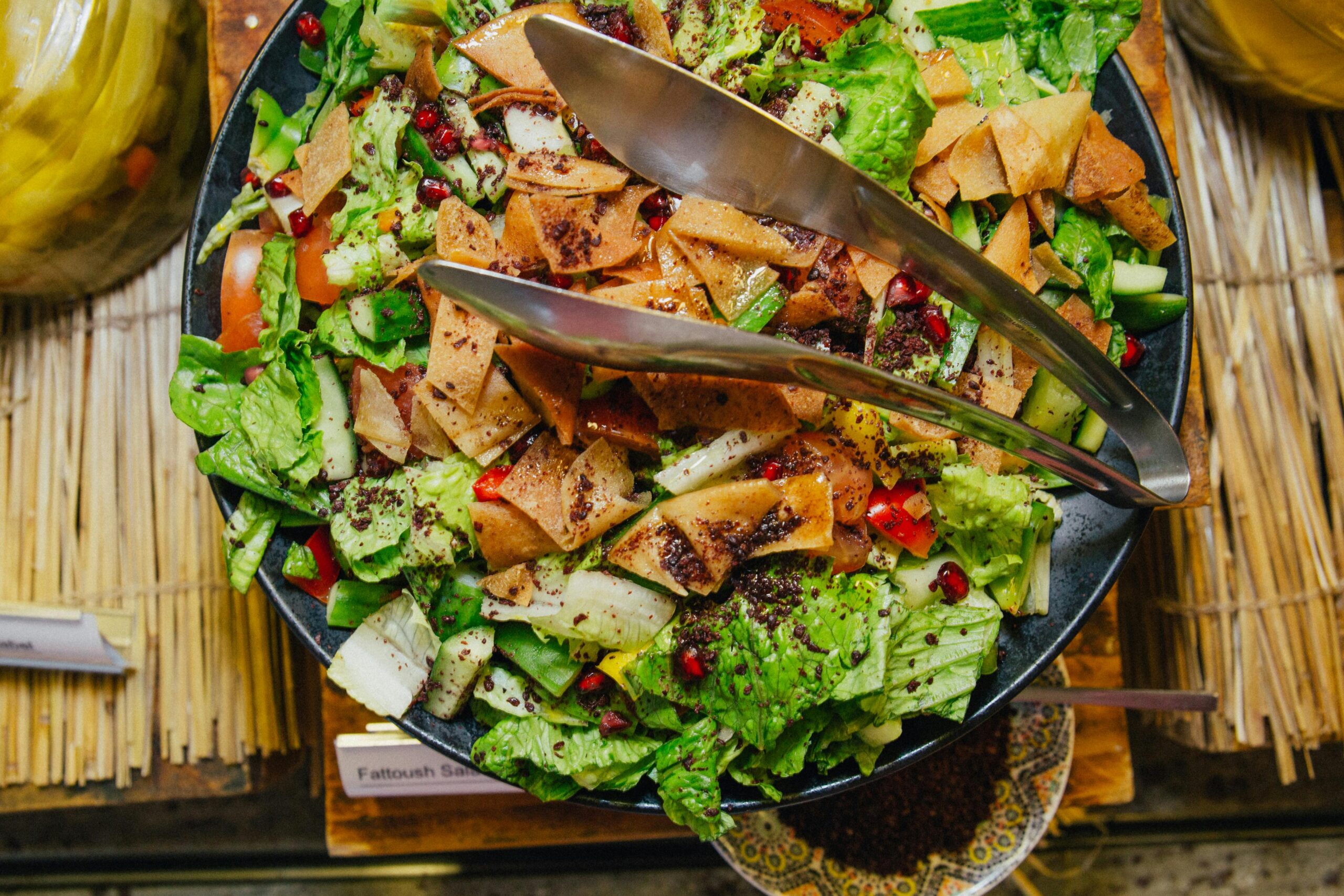
In recent years, Middle Eastern salads and bowls have become a defining part of the Ottawa food landscape, especially in communities such as Kanata, Orleans, and Cumberland. What was once considered a niche or occasional culinary experience has evolved into a mainstream weekly staple in households, workplaces, and health-conscious dining routines.
Families, professionals, students, and wellness-focused individuals are increasingly choosing Middle Eastern salads and bowls because they offer an ideal combination of freshness, flavor, nutrition, and versatility. Whether enjoyed as a quick lunch, a satisfying dinner, or part of a larger group meal, these dishes fit seamlessly into modern eating habits in Ottawa’s growing west and east-end neighbourhoods.
This in-depth article examines why Middle Eastern salads and bowls have gained such strong popularity in Kanata, Orleans, and Cumberland, what makes these dishes uniquely suited to contemporary lifestyles, and how cultural authenticity plays a central role in their widespread appeal.
A Shift Toward Fresh, Flavor-Forward, and Nutritious Meals
In communities like Kanata and Orleans—where families balance busy schedules and health-conscious routines—residents increasingly seek meals that reflect both nutritional awareness and culinary satisfaction. Middle Eastern salads and bowls deliver both.
1. The Demand for Balanced, Everyday Healthy Eating
Modern households want meals that offer:
- High nutrient density
- Fresh, whole ingredients
- Lean proteins
- Healthy fats
- Minimal processed components
- Strong, natural flavor
Middle Eastern salads meet all of these expectations.
Dishes such as fattoush, tabbouleh, chickpea bowls, lentil-based salads, and grilled-chicken bowls have become staples among residents who want a light yet filling meal. These ingredients do not rely on heavy sauces or artificial additives—they showcase real flavor derived from citrus, herbs, olive oil, spices, and traditional preparations.
2. The Perfect Balance of Freshness and Comfort
Residents of Kanata, Cumberland, and Orleans frequently look for meals that are refreshing without being bland, leafy without being basic, and nourishing without feeling restrictive. Middle Eastern salads and bowls strike this balance beautifully.
A typical Middle Eastern bowl may include:
- Fresh cucumbers, tomatoes, onions, and parsley
- Grilled chicken or shawarma slices
- Warm grains like rice or bulgur
- Crisp lettuce or greens
- Chickpeas or lentils
- Garlic-based or tahini dressing
- Pickled vegetables for flavor contrast
This balance of textures and temperatures—fresh produce, warm protein, crunchy garnishes—results in a meal that feels satisfying on all levels.
Why Middle Eastern Salads Are Gaining Momentum in Kanata
Kanata is home to busy professionals, growing families, fitness-focused individuals, and students—all of whom are shaping new food trends based on convenience and health.
1. Perfect for Office Lunches and Takeout Meals
Many workplaces along Kanata’s technology corridor rely on quick and nutritious lunch options. Middle Eastern salads and bowls provide an excellent alternative to heavier takeout choices.
A grilled-chicken bowl with rice, vegetables, and hummus, for example, offers sustained energy without making employees feel sluggish during the workday.
2. Ideal for Fitness-Conscious Households
Kanata has a strong wellness culture with numerous gyms, sports organizations, recreation centers, and fitness groups. Middle Eastern salads support these lifestyles by offering:
- High protein content
- Anti-inflammatory herbs
- Nutrient-dense vegetables
- Healthy fats from olive oil
- Naturally balanced macronutrients
Residents seeking “healthy bowls near me” or “Mediterranean salads Kanata” often choose Middle Eastern-inspired meals because they provide long-lasting energy and clean nutrition.
Why Orleans Residents Love Middle Eastern Bowls
Orleans is one of Ottawa’s most diverse and family-centered communities. Its residents often look for meals that fit into busy schedules while still providing strong cultural and sensory appeal.
1. A Family-Friendly Flavor Profile
Children enjoy mild shawarma bowls with rice and fresh vegetables, while adults prefer the depth of garlic, lemon, herbs, and traditional spices found in fattoush or tabbouleh. This makes Middle Eastern salads a household-friendly meal option across all ages.
2. A Versatile Choice for Weekly Dining
Orleans households commonly choose Middle Eastern bowls for:
- Weeknight dinners
- Post-school activities
- Casual weekend meals
- Healthy lunches
- Work-from-home days
The versatility of these dishes means families can compose different meals using the same ingredients without feeling repetitive.
Why Cumberland Is Embracing Middle Eastern Healthy Eating
Cumberland, with its mix of rural charm and growing suburban development, has become a community that values fresh, nutritious meals that feel “homemade,” even when ordered as takeout.
1. Ideal for Fresh, Light Rural Meals
Residents who live in larger family homes or rural settings often appreciate meals that emphasize freshness and natural ingredients. Middle Eastern salads made with lemon, garlic, herbs, and crisp vegetables align with these preferences.
2. Convenient for Larger Gatherings and Social Meals
Cumberland households often host extended family gatherings, outdoor events, and weekend get-togethers. Middle Eastern bowls are easy to serve in both small and large quantities, allowing guests to build their own plates with:
- Grains
- Greens
- Grilled meats
- Dips and sauces
- Fresh vegetables
This build-your-own format is ideal for large groups with mixed dietary preferences.
The Flavors Behind Middle Eastern Salad Popularity
At the heart of this trend is flavor—fresh, bright, aromatic, and balanced.
1. Herbs That Bring Dishes to Life
Lebanese and Middle Eastern salads heavily feature:
- Parsley
- Mint
- Dill
- Cilantro (in some variations)
These herbs provide both nutritional value and vibrant flavor, differentiating Middle Eastern salads from standard lettuce-based options.
2. Citrus and Garlic for Natural Brightness
Instead of heavy dressings, Middle Eastern salads use:
- Fresh lemon juice
- Olive oil
- Garlic
- Sumac
- Light seasonings
These ingredients create dressings that are light yet bold, enhancing the natural flavor of each vegetable.
3. The Use of Warming Spices Without Overpowering Heat
Unlike cuisines that rely on spice for heat, Middle Eastern dishes use spices for aroma and warmth, including:
- Cumin
- Coriander
- Paprika
- Sumac
- Cinnamon (subtle undertones)
These spices elevate the overall experience by adding subtle complexity without overwhelming the palate.
The Role of Shawarma Bowls in the Trend
Shawarma bowls have played a major role in shifting local food preferences across Kanata, Orleans, and Cumberland. Residents increasingly choose bowls over traditional wraps or sandwiches for several reasons.
1. Customizable and Balanced
A shawarma bowl can be adapted to any preference:
- Extra vegetables
- More protein
- Additional grains
- Light or heavy dressing
- Vegetarian or meat-based options
This flexibility makes the dish widely appealing.
2. Suitable for Work, School, or Home
Shawarma bowls store well, transport easily, and provide full meals in one container. This makes them ideal for:
- Office lunches
- School meal prep
- Quick dinners
- Weekend takeout
3. Great for Families with Dietary Restrictions
Households with gluten-free, dairy-free, low-carb, or heart-healthy preferences rely heavily on Middle Eastern bowl-style meals because they offer endless combinations without sacrificing flavor.
How Ottawa’s Diverse Population Strengthens the Trend
Kanata, Orleans, and Cumberland all benefit from rich cultural diversity, which influences food choices in meaningful ways.
1. Middle Eastern Flavors Feel Familiar to Many Cultures
The use of garlic, lemon, olive oil, rice, herbs, grilled meats, and fresh vegetables overlaps with many global culinary traditions. This familiarity enables households from different backgrounds to immediately enjoy Middle Eastern salads and bowls.
2. A Shared Appreciation for Authenticity
Residents of Ottawa’s east and west ends increasingly value authenticity in their meals. Salads like fattoush and tabbouleh, made using traditional methods, speak to this desire for real, culturally grounded food.
3. The Desire for “Real Food” Over Processed Options
More households prefer ingredients they recognize—vegetables, grains, legumes, lean chicken—over dishes that feel commercially manufactured or overly processed.
Convenience: A Defining Factor in the Shift
Beyond freshness and flavor, convenience is one of the top reasons Middle Eastern salads and bowls have grown in popularity.
1. Quick to Order and Easy to Eat
Middle Eastern bowls are satisfying, complete meals that require no prep or extra sides. This makes them ideal for:
- Lunch breaks
- Quick dinners
- Meal prep
- Takeout on busy nights
2. Perfect for Larger Events and Shared Meals
Families hosting casual get-togethers often rely on large salads, rice bowls, and mezze platters because they allow guests to build meals to their liking.
3. A Low-Guilt Takeout Option
Unlike deep-fried meals or heavy dishes, Middle Eastern salads and bowls feel light and energizing—even when enjoyed multiple times per week.
Conclusion
Middle Eastern salads and bowls have become one of the most influential healthy-eating trends in Kanata, Orleans, and Cumberland. Their rise reflects a larger shift toward meals that combine freshness, balanced nutrition, cultural authenticity, and convenience.
With their rich flavors, clean ingredients, and flexible meal formats, Middle Eastern salads and bowls offer exactly what modern Ottawa households want: food that feels good, tastes vibrant, supports wellness, and fits seamlessly into everyday life.
As residents continue to prioritize fresh, family-friendly meals for both takeout and at-home dining, this trend shows no signs of slowing down—solidifying Middle Eastern salads and bowls as a defining part of Ottawa’s evolving food culture.